PRP injections have become a popular treatment option for people interested in skin rejuvenation. PRP, or platelet-rich plasma, uses a concentrated portion of your own blood as part of a personalized treatment designed to support the body's natural healing processes.
If you're considering PRP treatment, understanding how it works, what it's used for, potential benefits, and what to expect can help you make an informed decision.
What Are PRP Injections?
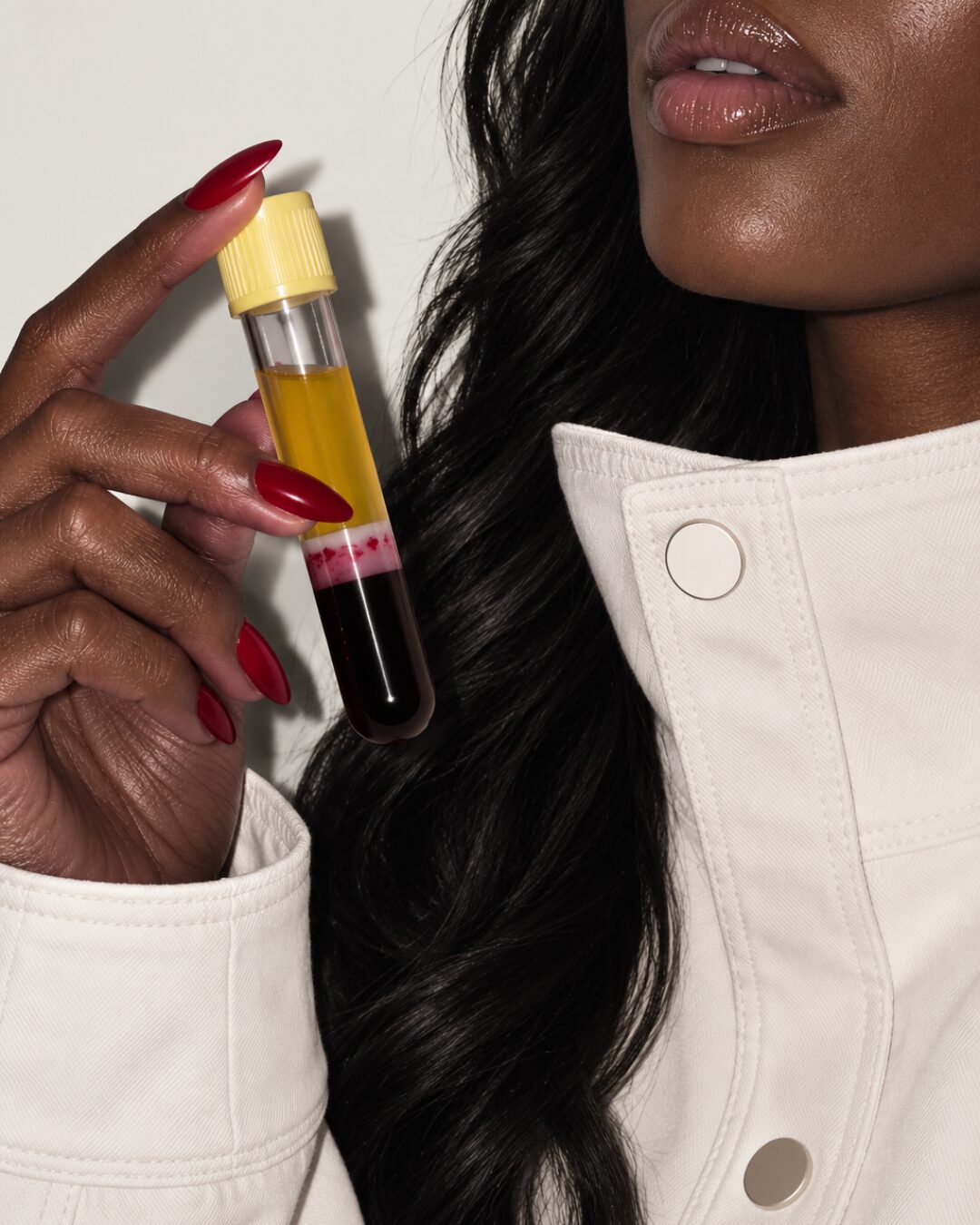
PRP stands for platelet-rich plasma. During a PRP treatment, a small amount of blood is drawn and processed to separate and concentrate the platelets and plasma.
Platelets contain growth factors and other substances involved in the body's natural healing processes. The resulting platelet-rich plasma can then be injected or applied to a targeted treatment area.
Because PRP is prepared from the patient's own blood, it is considered an autologous treatment.
What Are PRP Injections Used For?
PRP therapy has been studied for several medical and aesthetic applications. In aesthetic medicine, PRP injections may be used as part of a skin rejuvenation treatment plan.
Patients commonly ask about PRP for:
- Skin rejuvenation
- Fine lines and wrinkles
- Uneven skin texture
- Acne scars
- Supporting the appearance of healthier-looking skin
The effectiveness of PRP can vary depending on the treatment area, underlying condition, treatment technique, and individual patient.
A consultation with a qualified provider can help determine whether PRP is appropriate for your goals.
PRP for Skin Rejuvenation
PRP may also be used as part of a skin rejuvenation treatment plan.
Because platelets contain growth factors involved in tissue repair, researchers have studied PRP for its potential role in skin healing and collagen-related processes.
Aesthetic patients may consider PRP to address the appearance of:
- Fine lines
- Uneven skin texture
- Acne scars
- Dull-looking skin
- Certain signs of skin aging
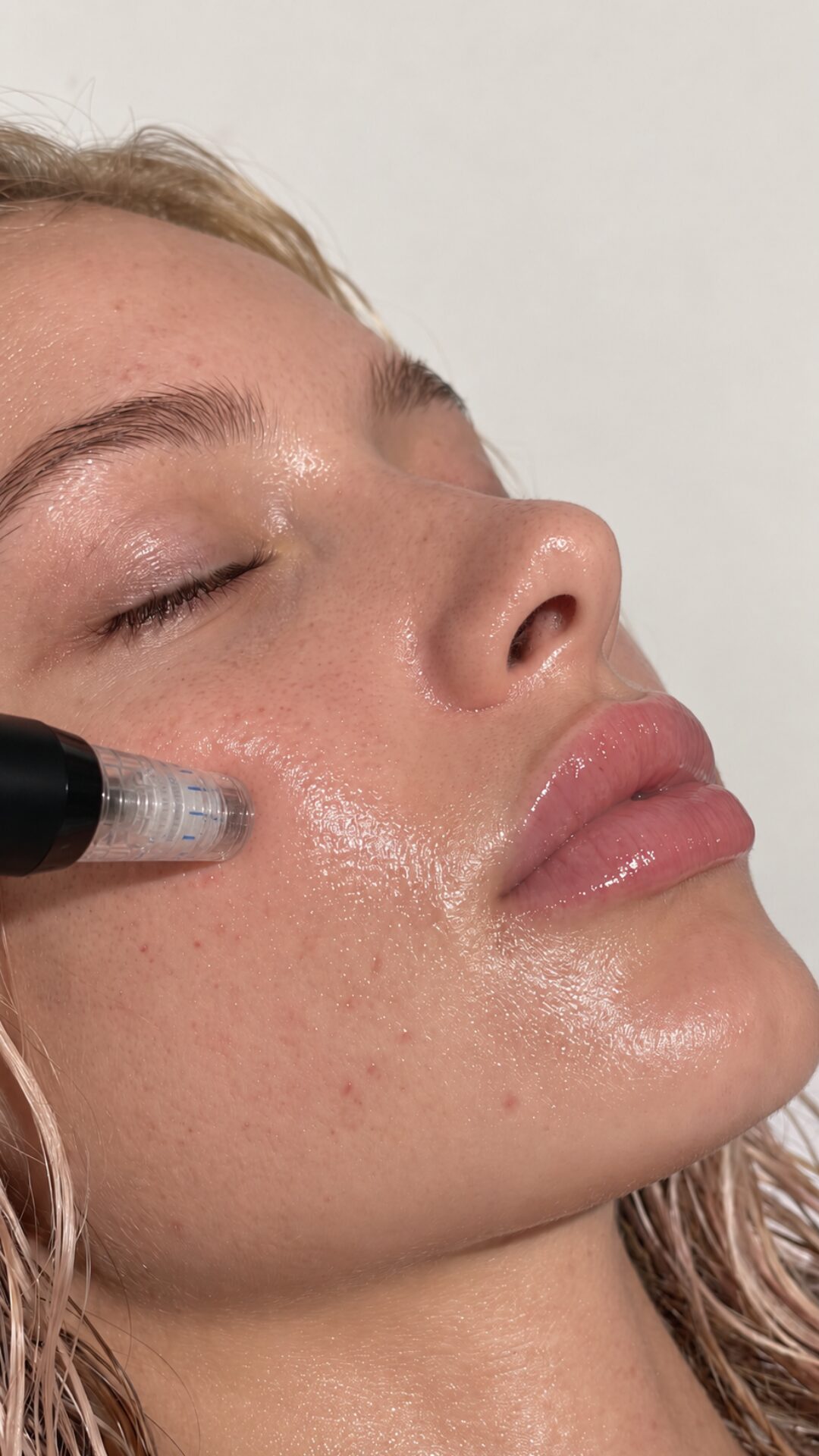
PRP may also be incorporated into treatment plans involving microneedling. Your provider can determine whether combining treatments is appropriate for your skin and goals.
What Are the Benefits of PRP Injections?
One reason patients are interested in PRP is that the treatment uses platelet-rich plasma prepared from their own blood.
Potential benefits may include:
- A personalized treatment approach
- Use of the patient's own blood components
- Minimal downtime for many patients
- Potential applications for a range of skin concerns
- Gradual, natural-looking improvement for some patients
PRP isn't a guaranteed treatment for everyone, and individual results can vary.
What Happens During a PRP Treatment?
A typical PRP treatment begins with a small blood draw.
The sample is processed using specialized equipment to separate the platelet-rich plasma from other components of the blood. The concentrated PRP is then prepared for the treatment area.
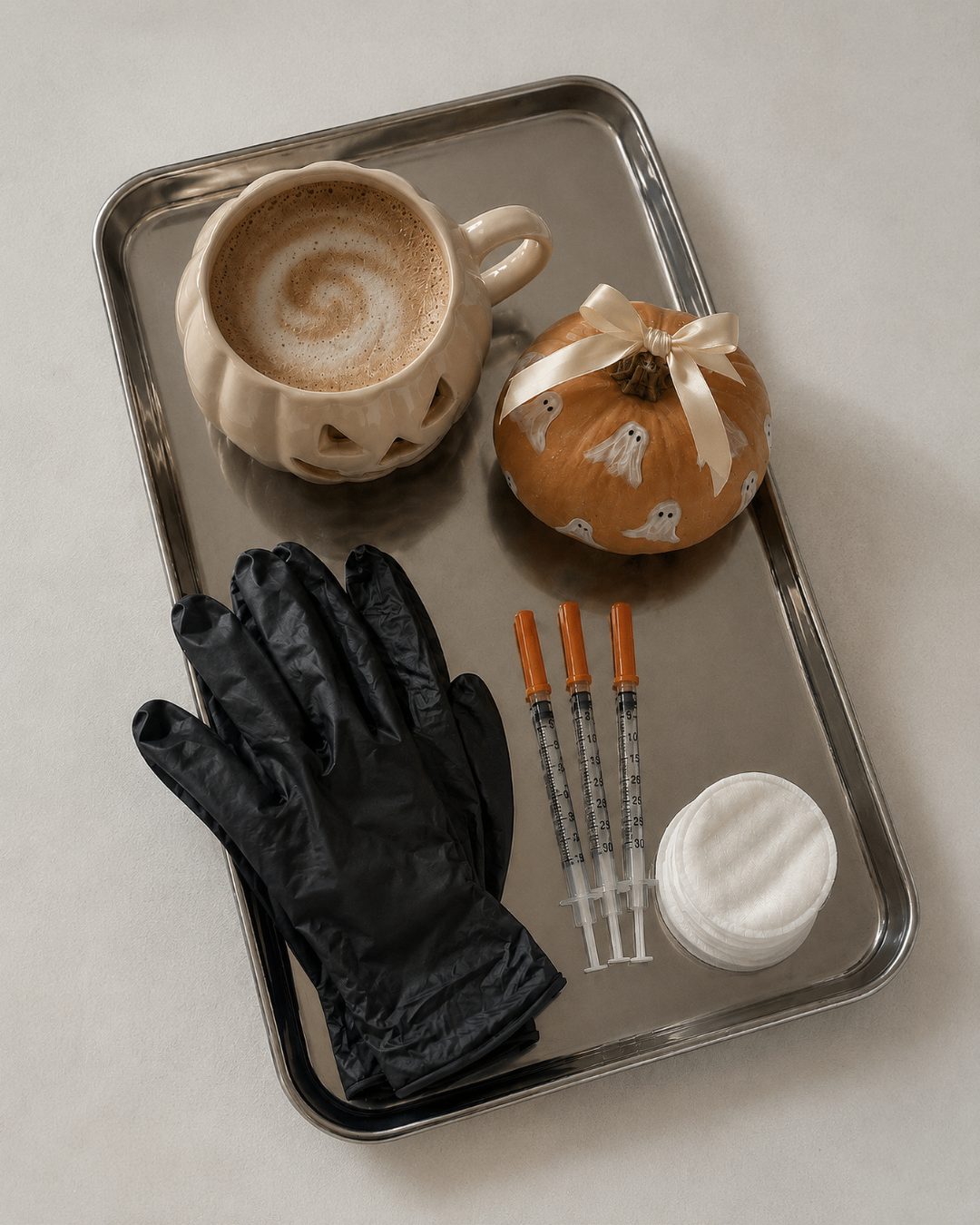
For skin rejuvenation, your provider may recommend injections or another application method depending on your treatment plan.
The exact process and appointment length can vary.
Is There Downtime After PRP?
PRP is minimally invasive, but temporary side effects can occur.
After treatment, some patients may experience:
- Redness
- Swelling
- Bruising
- Tenderness
- Mild discomfort
These effects are generally temporary. Your provider will give you specific aftercare instructions based on the area treated and the technique used.
When Will You See PRP Results?
One of the most important things to understand about PRP results is that they generally develop gradually.
PRP does not typically provide an immediate transformation. The treatment is intended to support the body's natural processes, so visible changes may take time.
The timeline can vary depending on the treatment area, the condition being treated, the number of sessions, and individual factors.
Some patients may benefit from a series of PRP treatments rather than a single session. Your provider can recommend a treatment schedule based on your individual needs.
How Many PRP Treatments Do You Need?
There isn't one treatment schedule that works for everyone.
The number of PRP injections recommended may depend on the skin concerns you're treating and your individual goals.
During your consultation, your provider can discuss:
- Your treatment goals
- The condition being addressed
- Recommended treatment frequency
- Expected timeline
- Potential maintenance treatments
- What results may realistically be expected
Is PRP Right for You?
PRP may be an option for people interested in skin rejuvenation, but it isn't appropriate for everyone.
Your provider should review your medical history, medications, treatment goals, and the condition being treated before recommending PRP.
PRP is one of several options in our regenerative treatments menu, alongside our other injectable treatments.
Schedule a PRP Consultation
If you're interested in PRP injections for skin rejuvenation, a consultation is the best place to start.
Our team can evaluate your goals, discuss your treatment options, and determine whether PRP may be appropriate for you.
Ready to learn more about PRP? Contact us today to schedule your consultation.
Schedule Your PRP Consultation
Curious whether PRP is right for your skin goals? Our team at UPKEEP will evaluate your concerns and create a personalized treatment plan.
Book Now