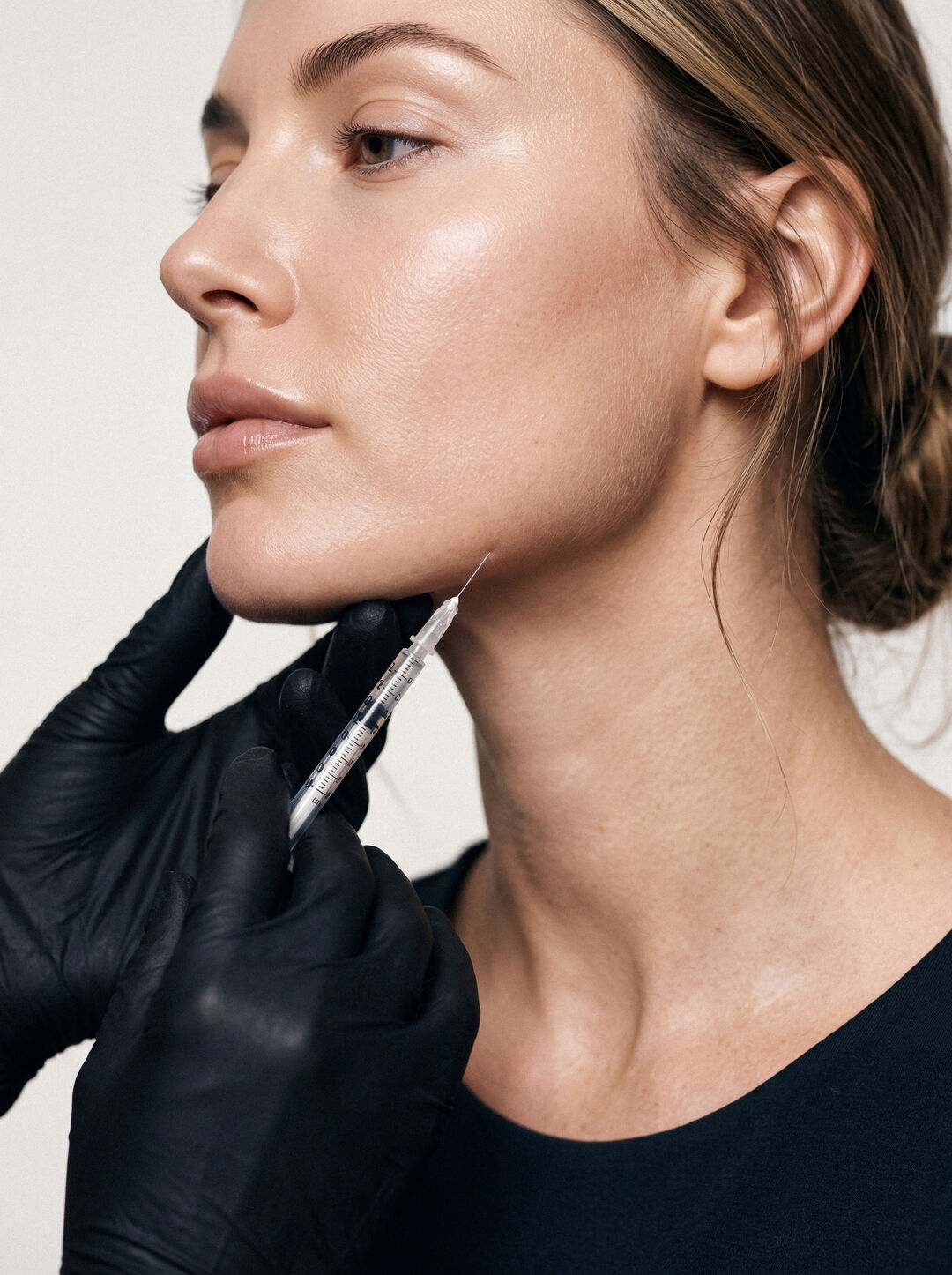
Ever wondered why your friend’s Botox treatment uses a different number of units than yours? Or why the same amount of lip filler can look different on two people?
The answer starts with anatomy.
Your facial muscles, bone structure, skin, and soft tissue all contribute to how your face looks and moves. Those differences matter when planning injectable treatments. At UPKEEP, the conversation starts with your features and goals—not someone else’s treatment plan.
Botox and Filler Address Different Concerns
Botox and dermal fillers are often mentioned together, but they work differently.
Botox temporarily reduces activity in targeted muscles, helping soften certain expression lines. Dermal fillers add fullness or improve contours in specific areas, depending on the product and its approved uses.
A crease related to muscle movement requires a different assessment from a concern involving volume or facial structure. Understanding the cause helps your provider determine which approach, if any, makes sense.
How Facial Anatomy Influences Botox
Muscle movement and strength
Your provider may ask you to raise your eyebrows, frown, and smile during your assessment. These movements help reveal which muscles are active and how they affect the surrounding skin.
Even when two people have similar-looking forehead lines, their movement patterns may differ. Treatment planning needs to account for those differences.
Brow and eyelid position
Forehead treatment involves more than looking at horizontal lines. Your provider also evaluates the position of your brows and eyelids and how your forehead muscles contribute to your expression.
BOTOX Cosmetic prescribing information specifically emphasizes understanding the relevant muscular and structural anatomy, including changes caused by surgery or medical conditions. (DailyMed)
Natural asymmetry
Most faces have differences between the left and right sides. One brow may sit higher, or one side may move more strongly.
A consultation helps establish what is present before treatment and what changes are realistic. Perfect symmetry should not be the expectation.
How Facial Anatomy Influences Filler
Bone structure and facial proportions
Your underlying structure contributes to the appearance of your cheeks, chin, jawline, and profile. Filler planning should consider how a proposed change relates to the surrounding features.
For example, a request for more lip volume should include a discussion of your existing lip shape and overall proportions—not just a preferred syringe amount.
Soft tissue and existing volume
The same amount of filler will not create an identical result in every face. Existing fullness, tissue characteristics, and previous treatments all influence the assessment.
This is why a photo can help communicate your preferences but cannot serve as a blueprint for your results.
Blood vessels and other important structures
Facial anatomy also matters for safety. Different treatment areas have different underlying structures and risks. FDA-approved fillers have specific indications; approval for one area does not mean a product is approved everywhere on the face. (FDA)
Why Your Friend’s Units or Syringes Aren’t Your Prescription
It’s natural to compare treatments, especially when you love someone’s results. But a unit count or syringe amount tells only part of the story.
Your recommendation should reflect:
- Your anatomy and movement patterns.
- The concern you want to address.
- The specific product being considered.
- Previous injectables, surgery, and relevant medical history.
- Your preferences and realistic treatment expectations.
More product does not automatically mean a better outcome. Sometimes a smaller treatment—or choosing not to treat an area—is the appropriate recommendation.
What to Share During Your Consultation
Tell your provider about previous Botox and filler, including the products, areas treated, and dates when available. Also discuss medications, supplements, allergies, medical conditions, and facial procedures.
Be specific about your goals. “I want my forehead lines to look softer” or “I’d like more lip definition” gives your provider a useful starting point.
Ask why they recommend a particular treatment, what its limitations are, and what follow-up may be needed.
Understanding Treatment Risks
Both treatments carry risks. Botox can cause bruising, headache, unwanted weakness, or brow or eyelid drooping. Its labeling also warns about potentially serious effects involving swallowing, speech, or breathing; these symptoms require immediate medical attention. (DailyMed)
Filler can cause swelling, bruising, tenderness, infection, and nodules. Rare but serious complications from accidental injection into a blood vessel include tissue damage, blindness, and stroke. The FDA recommends choosing a licensed provider experienced in facial anatomy and managing complications. (FDA)
Start With a Plan Made for Your Face
Your features deserve an individual assessment. Whether you’re exploring Botox, dermal filler, or simply want to understand your options, a consultation is the first step toward an informed decision.
Learn more about neurotoxins and dermal fillers at UPKEEP, then book a consultation to discuss your anatomy, your goals, and a treatment plan tailored to you.
Treatment suitability requires individual assessment. Results vary.
Book Your Injectables Consultation
Ready for a plan made for your face? Our team at UPKEEP will assess your anatomy, talk through your goals, and explain whether Botox, filler, or another option makes sense for you.
Book Now